

I. Yaskawa Technology System: The Benchmark Solution in the Field of High-End Motion Control
In the field of industrial automation, the Yaskawa technology system has become a critical technical paradigm for precision motion control. This system, based on the Sigma series (Sigma-5/Sigma-7) servo systems, has gradually established a mainstream position in the high-end equipment market through continuous technology absorption and iterative innovation by domestic companies.
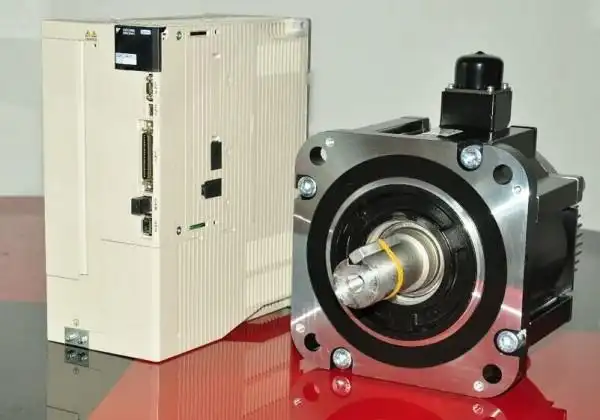
The core competitive strengths of this system lie in its precise motion control algorithms and system integration capabilities. By combining imported technologies with independent R&D, domestic enterprises have achieved breakthroughs in several key areas-including multi-axis synchronous control algorithms, intelligent vibration suppression modules, dynamic parameter self-tuning systems, high-precision inertia identification techniques, and wide-range weak magnetic control solutions. These breakthroughs have enabled domestically produced servo systems to be widely applied in high-end areas such as CNC machining centers, precision electronic assembly equipment, and new energy manufacturing systems.
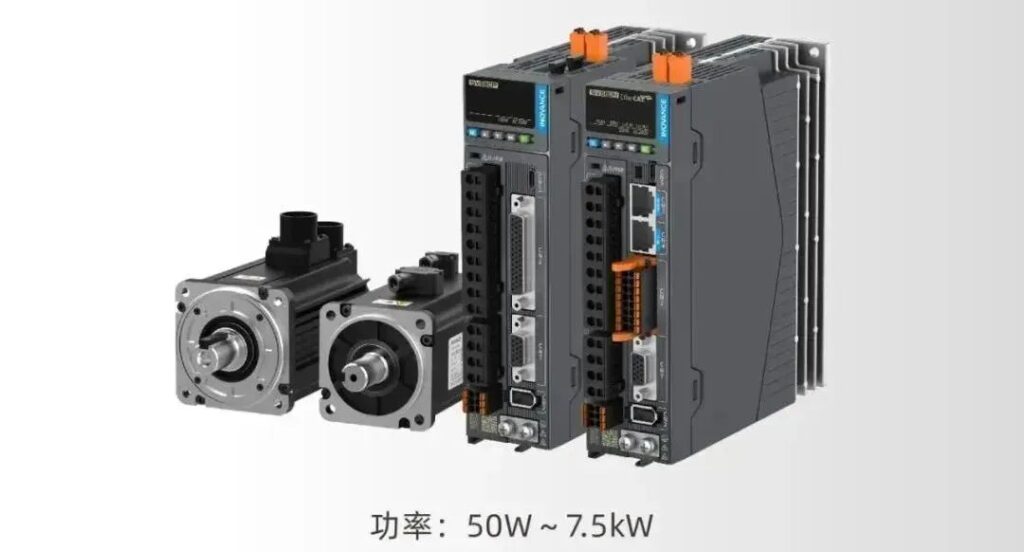
The hardware platform employs a dual-core DSP+FPGA architecture, with the control cycle optimized to around 62.5 μs, which significantly enhances the system's real-time response. Market data indicate that the domestic servo brands using this technology system have captured over 40% market share, and certain performance parameters-such as positioning accuracy (±0.01°) and speed response frequency (2.5 kHz)-have reached international advanced levels.
II. Inovance Innovation System: A Localized Breakthrough in Architectural Innovation
Inovance Technology's pioneering ARM+FPGA heterogeneous computing architecture offers a differentiated development path for domestic servo technology. Its SV620 series products, which use an STM32+FPGA solution, demonstrate significant advantages in both cost control and performance balance.
Key technical features of this system include:
Hardware Innovation: The main controller is based on a Cortex-M series processor, which reduces costs by 30%, combined with an FPGA that achieves a switching frequency of 15 kHz.
Algorithm Breakthroughs: This system introduces rapid self-tuning (in less than 15 seconds) based on an improved extreme loop method, adaptive notch filtering for vibration suppression, and predictive current control with a 1.5 kHz bandwidth.
Compatible Design: It supports mainstream encoder protocols such as BISS and EnDat, making it adaptable to various industrial scenarios.
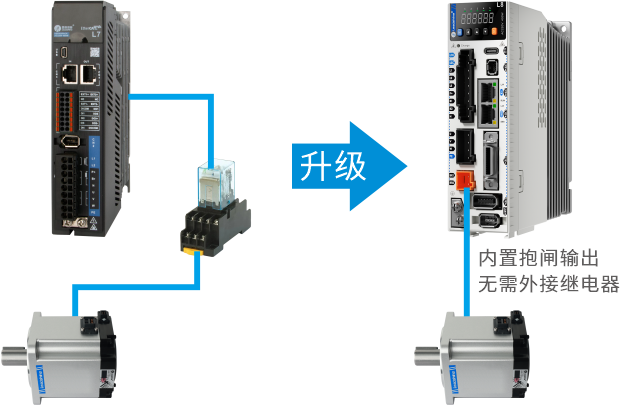
Currently, this technology system is undergoing significant upgrades. The next-generation products are transitioning to a multi-core DSP+SoC FPGA architecture, with control cycles evolving toward the 10 μs range and communication interfaces upgraded to gigabit-level EtherCAT transmission-marking a new development phase for domestic servo technology.
III. Distinctive Technical Schools: Innovative Practices in Niche Markets
In addition to the mainstream technology routes, several distinctive technical schools have emerged through differentiated innovation, creating unique competitive advantages:
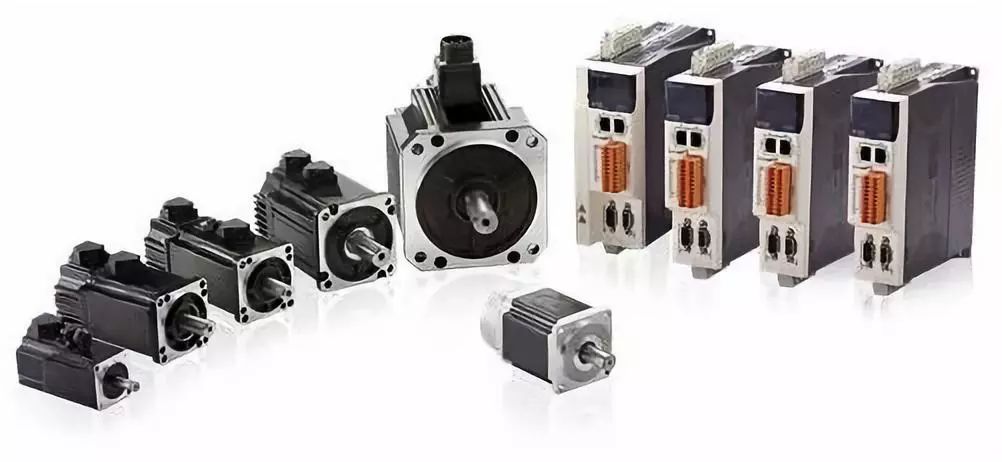
Estun Digitalization Solutions: Featuring a fully closed-loop control architecture that integrates specialized algorithms such as machine tool error compensation and process database support.
Maysun Electric Special Designs: Focused on military-grade EMC protection, wide operating temperature ranges (–40°C to 85°C), and achieving functional safety certification.
Inovance Integrated Solutions: Combining common DC bus energy-saving technology, cloud-based remote maintenance, and modular, scalable design.
These distinctive approaches have formed technical barriers in areas such as wind turbine pitch control, specialized machining centers, and intelligent logistics equipment-demonstrating the benefits of a more specialized development path.
IV. Trends in Technological Evolution and Industry Outlook
Currently, servo drive technology is evolving along four major directions:
Hardware Architecture Upgrades: Moving toward heterogeneous computing (CPU+FPGA+accelerators), the use of SiC power devices, and single-chip systems.
Intelligent Algorithm Integration: Incorporating deep reinforcement learning for parameter optimization, digital twin system simulations, and predictive maintenance algorithms.
Enhanced Industrial Connectivity: Deepening the application of TSN (Time-Sensitive Networking), 5G wireless servo drives, and OPC UA unified architecture.
Innovative Industry Solutions: Integrating solutions with robotic joint modules, deep coupling with CNC systems, and edge computing integration.
It is projected that within the next five years, the market share of domestic servo systems will exceed 60%, achieving import substitution in high-end sectors such as semiconductor equipment and industrial robotics. As Industrial Internet 2.0 advances, intelligent servo systems featuring equipment health management, energy optimization, and cloud-based collaborative functions will become the core driving force behind industrial upgrades, propelling Chinese smart manufacturing to new heights.


