

In the fields of smart manufacturing, warehouse logistics, and laboratory automation, small robots are playing an increasingly important role. They not only need to navigate confined spaces with agility but also perform high-precision handling and positioning tasks. For example, in automated warehouses, micro-AGVs must accurately align themselves between shelves, while in laboratory settings, transport robots must deliver samples precisely to designated locations.
As robot sizes decrease, designers face unprecedented challenges: how to achieve high torque and precision within limited space while maintaining system stability and reliability? This has become the core issue in the design of micro-robot drive systems.
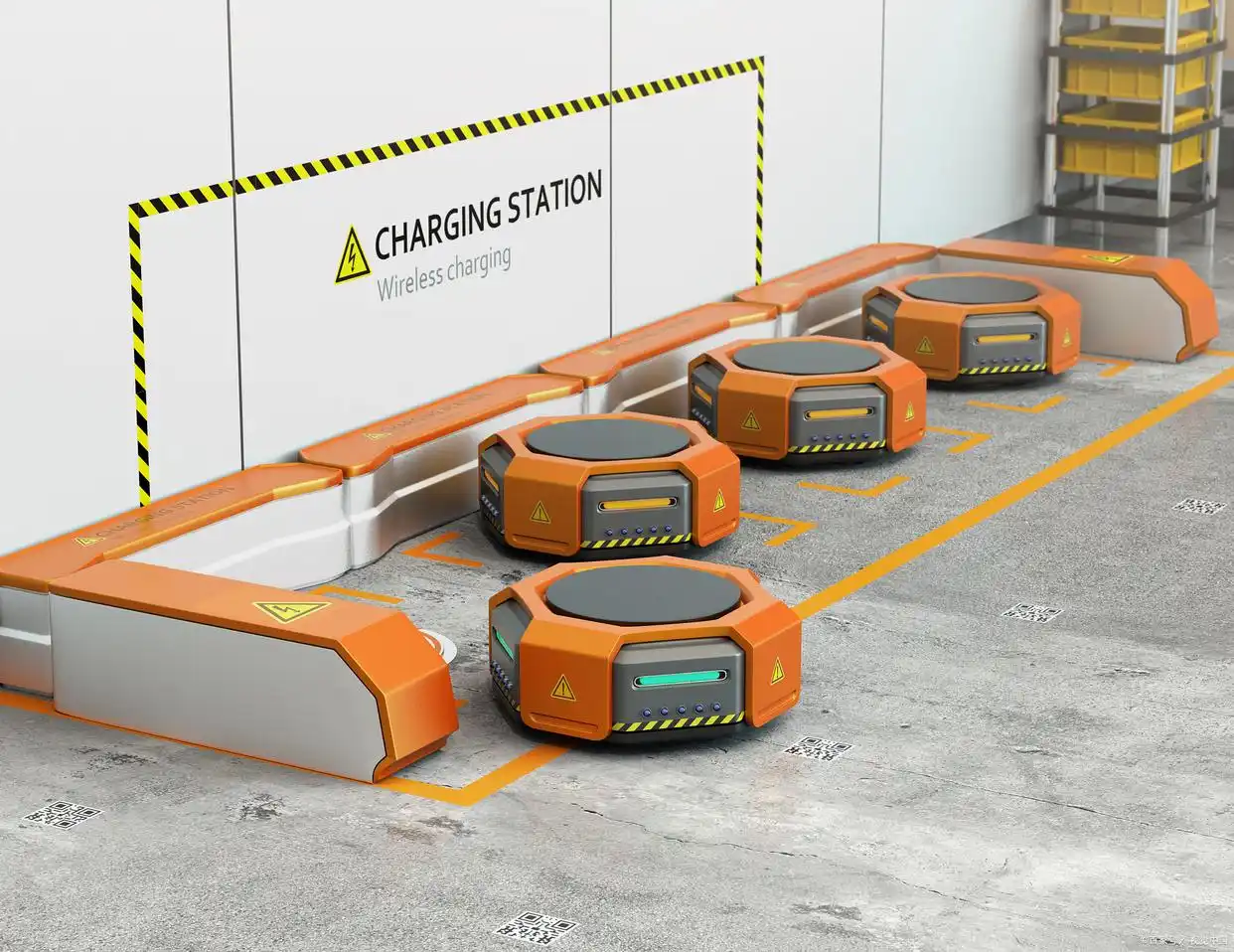
1. The Conflict Between Limited Space and Precision Requirements
The size of the drive wheel directly affects the layout and performance of a micro-robot's chassis:
Space constraints: The compact chassis of a small robot requires tight wheel assemblies to accommodate motors, controllers, sensors, and other critical components.
Precision requirements: In narrow aisles or precision handling scenarios, the motion accuracy of the wheels is crucial. While smaller mechanical differential wheels can save space, they may introduce trajectory errors in high-precision operations.
Load capacity: Even lightweight robots need their drive wheels to provide stable power when transporting samples or components, avoiding motion deviations due to insufficient torque.
This "space, precision, and load capacity" triangle has long been a key challenge in small robot drive design.
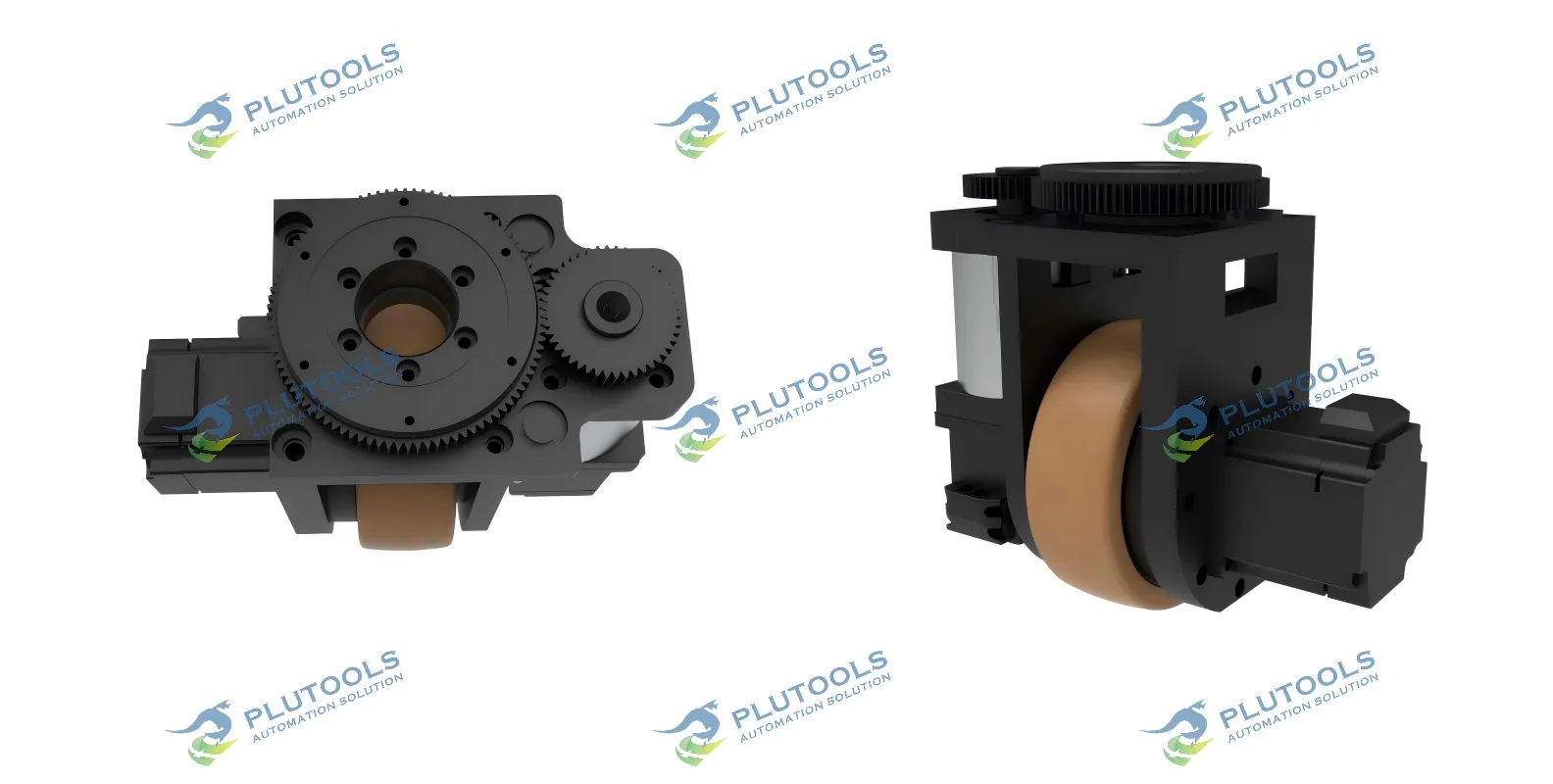
2. Advantages of Small-Diameter Independent Drive Wheels
To address this challenge, more designers are adopting small-diameter independent drive wheels. Compared with traditional differential wheel sets, they offer several advantages:
Compact structure: Horizontal layouts or integrated reduction mechanisms allow sufficient torque output within limited chassis height, optimizing the overall layout.
High-precision motion: Independent motors control the speed and angle of each wheel, ensuring stable and accurate trajectories while avoiding cumulative errors caused by friction or wheel diameter differences in mechanical differential systems.
Controllable load capacity: By properly matching the reduction ratio and motor power, small-diameter drive wheels can handle light transport tasks while maintaining motion stability.
In practice, these wheels are especially suitable for micro-AGVs, laboratory transport robots, or multi-wheel independent drive systems, maintaining precision even in confined spaces.
3. Plutools PLT120 Horizontal Drive Wheel: Tailored for Micro Robots
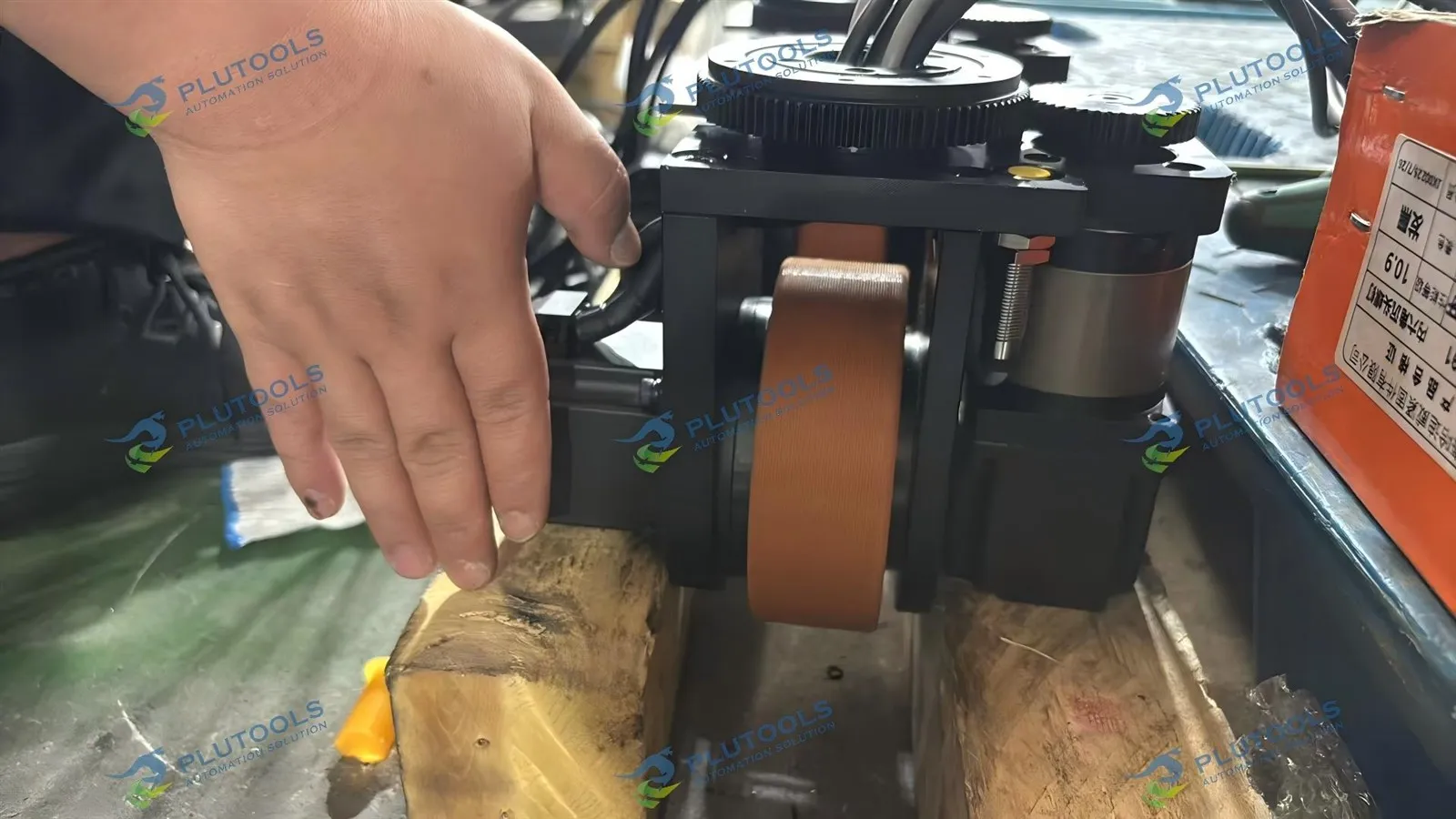
Following this industry trend, Plutools has launched the PLT120 Horizontal Drive Wheel. With a diameter of just 120mm, it provides high-precision motion and stable load-bearing in a compact space, specifically designed for micro robots with height constraints and high precision requirements.
Key Features:
120mm wheel diameter with horizontal layout, maximizing limited chassis space
300W motor drive, 100kg load capacity, balancing light transport with stable power output
High-rigidity structure and independent drive, ensuring stable trajectory and reliable precision
Case Study: In a laboratory transport robot with a chassis height of only 150mm, the customer initially tried using an 85mm differential wheel set. However, the robot experienced trajectory deviations in narrow passages. After adopting the PLT120, the robot achieved high-precision transport within the limited chassis height, with stable trajectories and significantly improved operational efficiency.
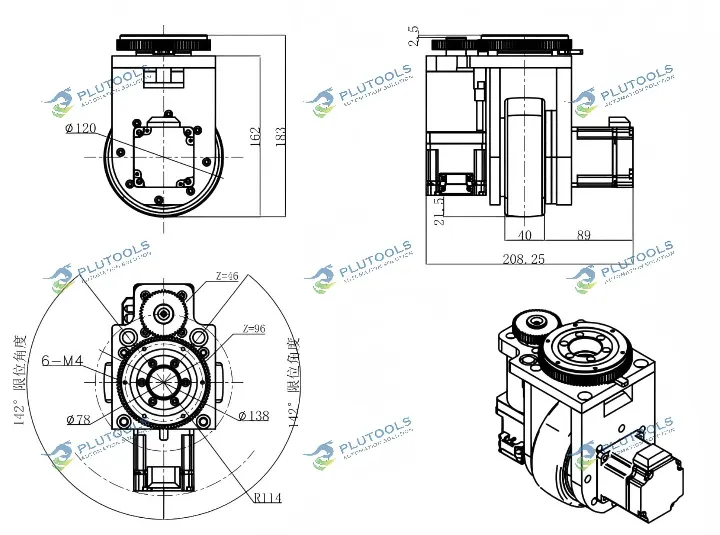
4. Technology Trends and Future Direction
As micro robots are increasingly applied in smart warehouses, laboratory automation, and other scenarios, the demands for drive wheels are evolving: smaller size without compromising precision or stability. The introduction of the Plutools PLT120 Horizontal Drive Wheel responds directly to this trend, offering designers an ideal solution for balancing "space constraints vs. high precision."
In the future, small-diameter independent drive solutions will play an even greater role in micro-robot drive technology, enabling the perfect balance between flexibility and accuracy.


